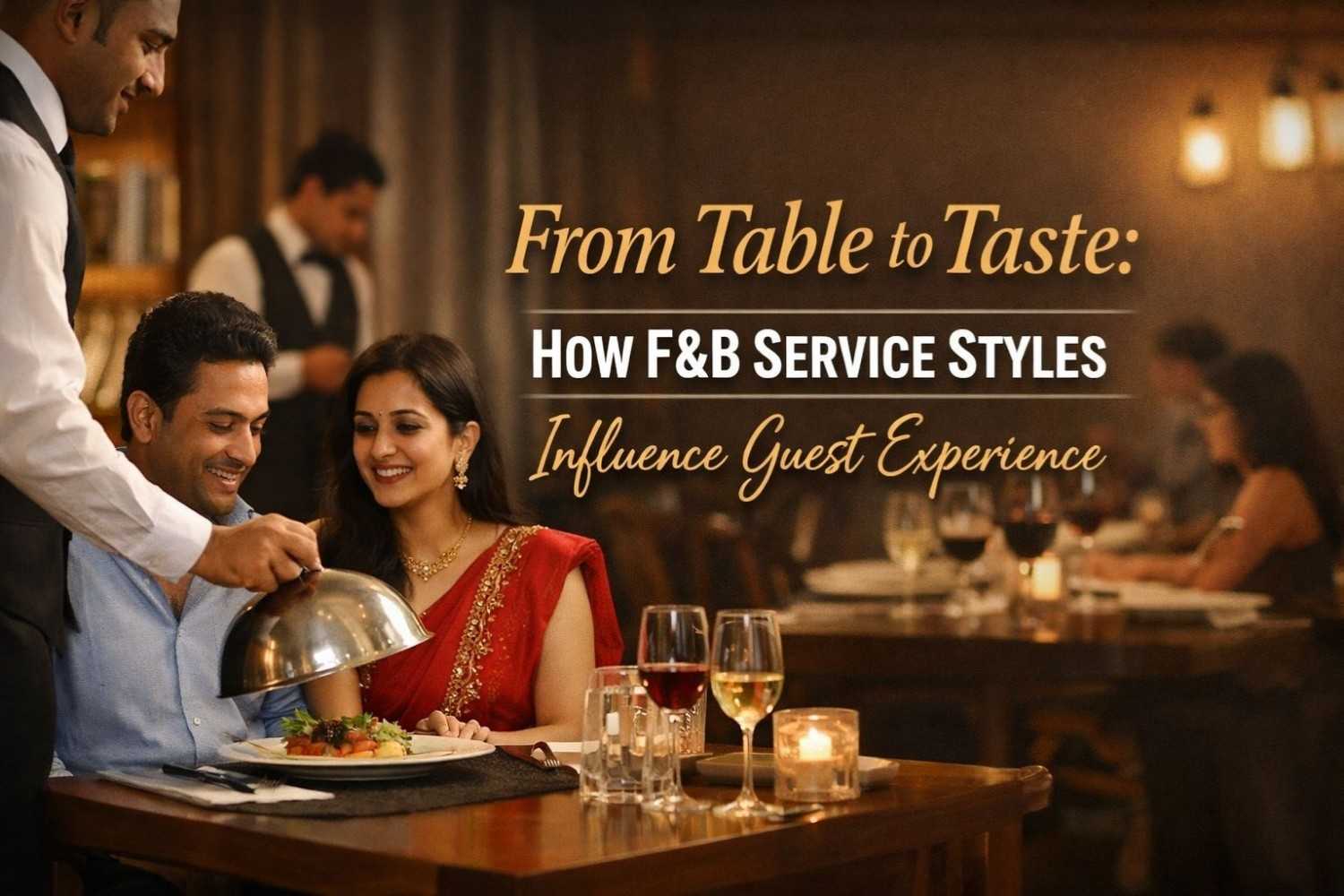
Walk into a restaurant and notice what you experience first. Is it the aroma of fresh bread? The smiling server? Or the speed at which your coffee appears?
That entire journey, from the moment you sit down to the last bite of dessert, is shaped by food and beverage service. But what is food and beverage service, really? In simple terms, it refers to how food and drinks are prepared, presented, and delivered to guests in hotels, restaurants, and catering setups. It is the bridge between the kitchen and the customer.
The food and beverage meaning goes beyond just meals. It includes beverages, service etiquette, ambiance, presentation, and even the emotional connection created at the table. In the larger food and beverage industry, service style is not a small detail; it’s the main stage.
Behind every smooth service experience is planning, training, and infrastructure. Even a trusted Hotel Kitchen Equipment Manufacturer in Delhi, like Restrobar Kitchens, understands that equipment design directly impacts service efficiency. After all, a perfectly cooked dish means little if it arrives cold or late.
In this blog, we’ll explore the 4 types of service in food and beverage, how they shape guest perception, and why service style can make or break a dining experience.
Understanding the 4 Types of Service in Food and Beverage
Different settings demand different approaches. The 4 types of service in food and beverage are commonly categorized as table service, buffet service, room service, and quick service. Each style creates a unique guest experience.
Table Service
Table service is what most people picture when they think about dining out. Guests are seated, orders are taken, and dishes are served directly to the table.
This style dominates fine dining and upscale restaurants. It focuses heavily on dining etiquette and presentation. Think of the graceful pour of wine or the synchronized serving of plates.
In restaurant service management, table service requires trained staff, clear communication, and precise timing. A delay of five minutes can feel like forever when you’re hungry.
Real-life example? Imagine celebrating an anniversary. You want attention to detail, polite servers, and thoughtful recommendations. Table service delivers that personal touch.
Buffet Service
Buffet service flips the script. Instead of servers bringing dishes to guests, guests approach a self-service spread.
Buffets are common in hotels, catering and banquet services, and large events. They allow variety and flexibility. Guests choose their portions and combinations.
This style works well for breakfast in business hotels. It reduces waiting time and handles high footfall efficiently. However, it demands strong backend organization and smart menu planning and design.
A buffet is like a well-organized party. If the layout flows smoothly, guests feel relaxed. If not, it becomes a traffic jam with plates.
Room Service
Room service brings the restaurant to the guest. It’s hospitality at its most personalized.
Hotels rely heavily on room service to enhance guest comfort. According to hospitality management studies, convenience and privacy significantly influence guest satisfaction in hotel stays.
From midnight snacks to breakfast in bed, room service must be prompt and discreet. Here, beverage preparation techniques and presentation matter just as much as timing.
If a guest orders coffee at 7 AM before a meeting, they expect efficiency. One late delivery can affect their entire day and their hotel review.
Quick Service / Fast Casual
Quick service focuses on speed and convenience. Fast food chains and fast-casual restaurants use this model.
Orders are placed at a counter or digitally. Food arrives quickly. The emphasis is on consistency and efficiency.
This service style thrives on streamlined kitchen workflows and technology. Self-order kiosks and mobile apps reduce wait time and labour costs.
It may not offer white tablecloths, but it delivers reliability. In busy urban life, speed often equals satisfaction.
Also Read: How to Open a Cafe with a Low Budget in India: Complete Startup Guide
Impact of Service Styles on Guest Experience
Service style shapes perception. The same dish can feel luxurious or ordinary depending on how it is served.
In the food and beverage industry, guest experience depends on three factors:
- Speed
- Personalization
- Presentation
Table service emphasizes personalization. Buffet service highlights choice. Quick service prioritizes speed. Room service focuses on comfort.
According to research published by the Cornell School of Hotel Administration, service quality significantly influences customer loyalty in restaurants.
Guests rarely remember exact recipes. They remember how they felt.
If service flows smoothly, guests relax. If it feels chaotic, even excellent food cannot save the experience. That’s why understanding what food and beverage service is goes beyond serving plates; it’s about delivering emotions.
Modern Trends in the Food and Beverage Industry
The food and beverage industry is evolving rapidly. Changing consumer behaviour and technology are reshaping service styles.
Here are key hospitality industry trends influencing service today:
1. Contactless and Digital Ordering
QR codes and mobile apps reduce physical contact. This trend grew significantly after COVID-19 (World Health Organization guidelines on minimizing contact in hospitality settings).
2. Open Kitchen Concepts
Guests enjoy seeing their food prepared. Transparency builds trust and entertainment value.
3. Sustainability Focus
Eco-friendly packaging and local sourcing influence guest choices. Sustainable operations now impact brand loyalty.
4. Hybrid Service Models
Restaurants combine table service with digital ordering. Hotels merge buffet breakfast with live cooking stations.
These innovations affect both front-end service and back-end operations. Service is no longer just human interaction; it’s a blend of design, technology, and strategy.
Also Read: How to Build a Profitable Cloud Kitchen Business in Delhi
How Equipment and Kitchen Design Influence Service
Great service begins in the kitchen.
A poorly designed kitchen slows everything down. A well-planned kitchen supports smooth food and beverage service.
For example, a reliable Hotel Kitchen Equipment Manufacturer In Delhi understands workflow efficiency. Equipment placement influences preparation speed, hygiene, and safety.
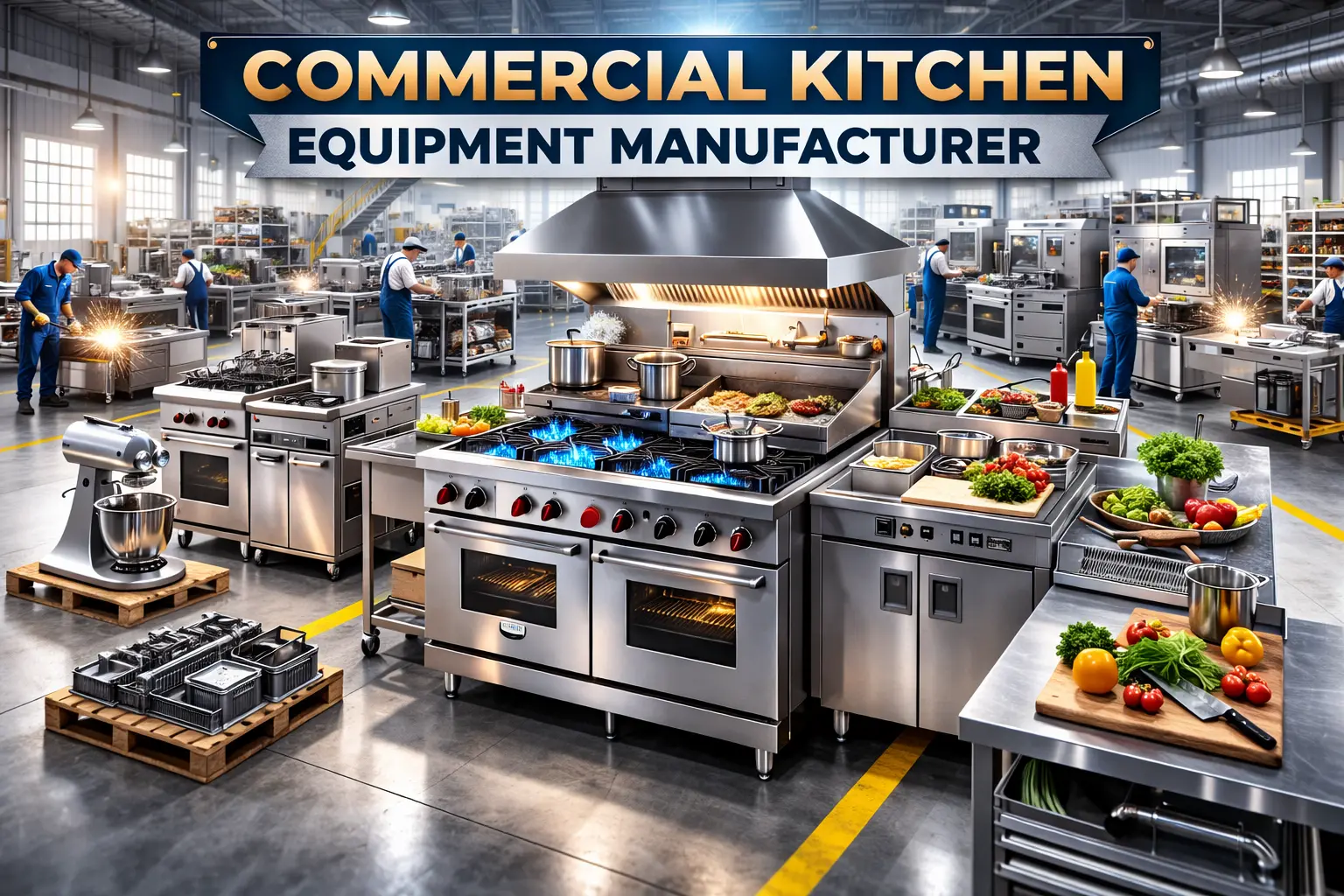
Similarly, a Commercial Kitchen Equipment Manufacturer ensures durability under high demand. Fast-paced environments need high-performance appliances.
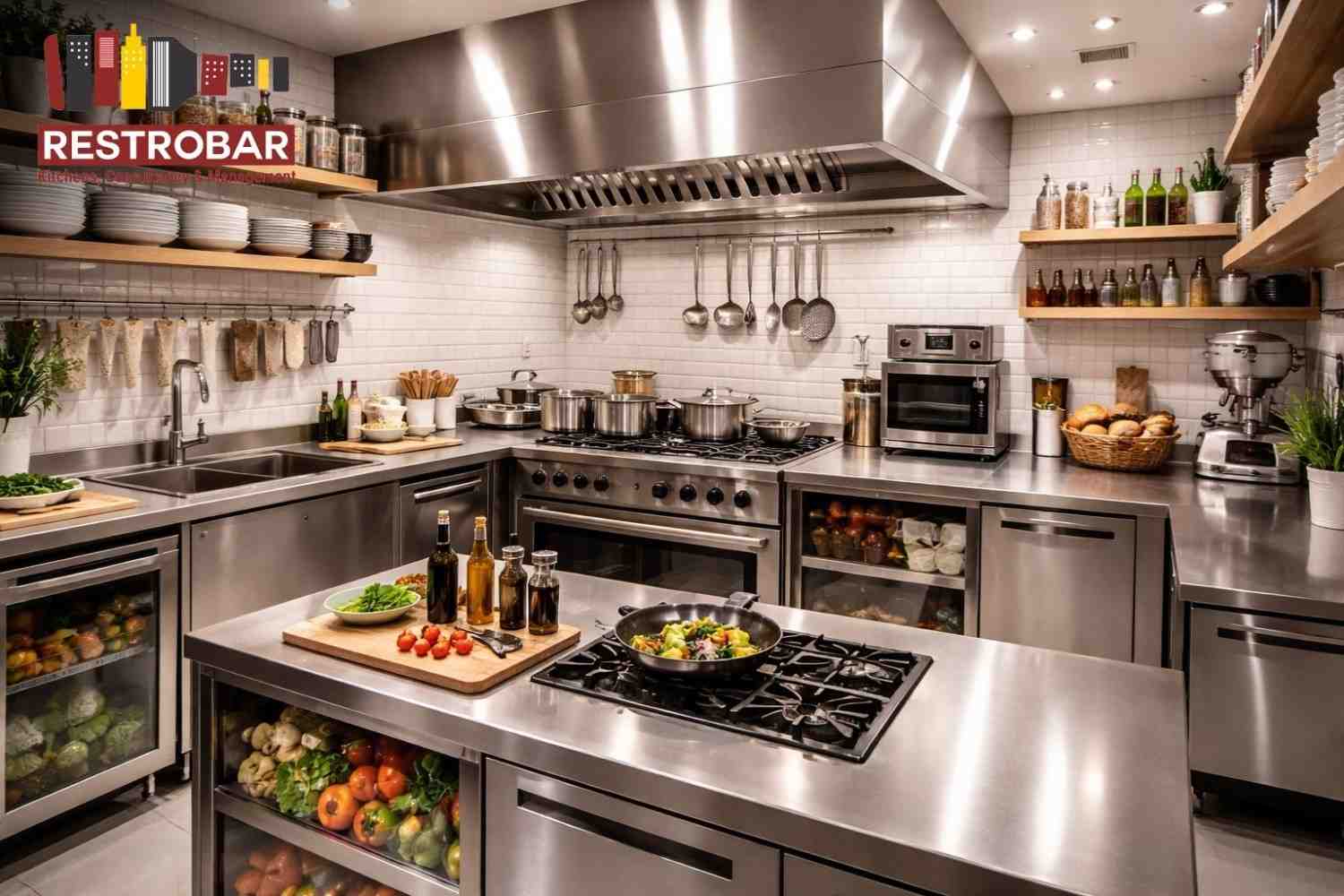
Professional Commercial Kitchen Design Consultants in Delhi analyze layout, storage, ventilation, and service pathways. They align kitchen design with the chosen service style, whether buffet-heavy, fine dining, or quick service.
Large-scale properties often rely on an Industrial Kitchen Equipment Manufacturer In Delhi for bulk operations. Banquet halls and hotels require equipment that handles high volumes without compromising quality.
Meanwhile, a Restaurant Kitchen Equipment Manufacturer In Delhi focuses on smaller yet highly efficient setups. Quick service outlets, for example, need compact, speed-optimized kitchens.
In short, equipment impacts timing, consistency, and presentation. A smooth kitchen equals a smooth guest experience.
If service is a performance, the kitchen is backstage. And backstage chaos always shows.
Enhancing Guest Experience Through Effective Food and Beverage Service
From elegant table settings to speedy counters, the 4 types of service in food and beverage shape how guests perceive value and quality.
We’ve explored the food and beverage meaning, defined what food and beverage service is, and examined how service styles impact emotions, efficiency, and loyalty. In today’s competitive food and beverage industry, service is not an afterthought; it’s a strategy.
Modern trends demand flexibility, technology integration, and smart kitchen design. Behind every successful operation stands thoughtful planning, skilled staff, and reliable infrastructure.
Whether you operate a boutique restaurant or a luxury hotel, investing in the right service model and infrastructure makes all the difference. Collaborating with an experienced Hotel Kitchen Equipment Manufacturer like Restrobar Kitchens ensures your kitchen supports your service vision, not slows it down.
Because at the end of the day, guests may come for the food, but they return for the experience.
If you’re looking to elevate your hospitality operations, start by aligning your service style with smart design and trusted partners like Restrobar Kitchens. Simply contact us. The journey from table to taste begins long before the first plate is served.