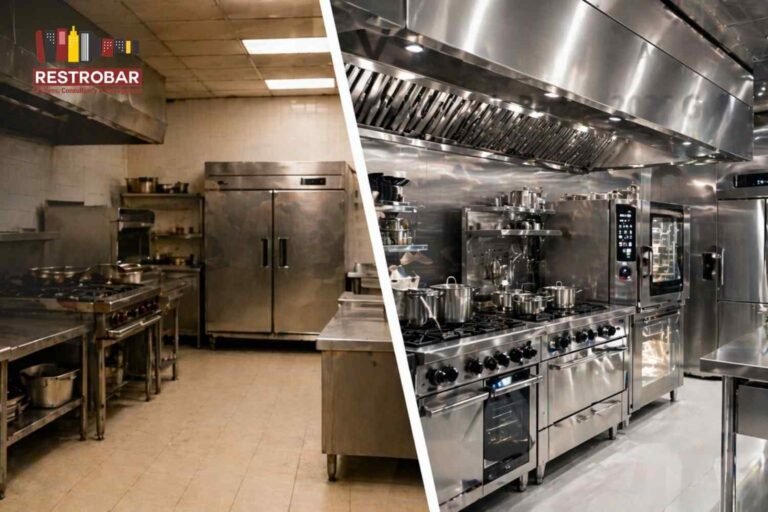
When people walk into a hotel, they notice the ambiance, the service, and of course, the food. But behind every perfectly plated dish lies something guests never see: the kitchen. And this is where the real difference begins. The hotel kitchen equipment difference between a 3-star and a 5-star property is not just about price; it reflects scale, precision, compliance, and performance.
If you’re planning a hotel project or upgrading your facility, understanding these differences will help you make smarter decisions. Many businesses consult a Hotel Kitchen Equipment Manufacturer to align their kitchen setup with their service goals and budget.
Let’s break it down in a practical, no-nonsense way.
Understanding Hotel Kitchen Standards
Hotel kitchens follow structured systems based on their category. A 3-star hotel focuses on efficiency and essential service delivery, while a 5-star kitchen operates like a high-performance production unit.
According to food safety frameworks like FSSAI compliance and global hygiene benchmarks such as HACCP (Hazard Analysis and Critical Control Points), higher-rated hotels must meet stricter operational and safety standards. These standards directly influence the type of commercial kitchen equipment used.
Also Read: How to Control Food Cost in Restaurants
1. Equipment Quality and Build
3-Star Hotels
3-star kitchens usually use standard-grade stainless steel appliances designed for moderate usage. These appliances focus on durability but avoid high-end features.
- Basic burners and ovens
- Standard refrigeration units
- Limited automation
5-Star Hotels
5-star kitchens demand premium, heavy duty cooking equipment that can handle continuous operations.
- Advanced combi ovens
- Blast chillers
- Automated cooking systems
- High-grade heat-resistant materials
This difference exists because 5-star kitchens operate almost 18–24 hours a day, often with multi-cuisine menus.
Key takeaway: The higher the category, the more advanced and durable the equipment.
2. Food Production Capacity
One of the biggest aspects of the commercial hotel kitchen setup differences lies in capacity.
3-Star Kitchens
- Serve limited menu options
- Lower guest volume
- Equipment designed for small to mid-scale cooking
5-Star Kitchens
- Handle bulk orders, banquets, and room service simultaneously
- Use bulk cooking systems like tilting bratt pans and steam kettles
- Require high-performance refrigeration and storage systems
This aligns with global hospitality trends highlighted by industry bodies like the National Restaurant Association, which emphasizes scalability in professional kitchens.
3. Kitchen Workflow Efficiency
A well-planned kitchen reduces chaos. And here’s where 5-star hotels invest heavily.
3-Star Setup
- Basic zoning (prep, cooking, serving)
- Limited workflow optimization
5-Star Setup
- Highly optimized kitchen workflow efficiency
- Separate zones for prep, cooking, plating, and washing
- Dedicated pastry, bakery, and specialty kitchens
Modern 5-star kitchens often follow a centralized kitchen system, especially in large properties or hotel chains.
If you’re unsure how to design such a workflow, consulting experts like Restrobar Kitchens can help you plan layouts that reduce movement and increase productivity.
4. Technology and Automation
3-Star Hotels
Technology plays a limited role. Most processes rely on manual operation.
5-Star Hotels
Automation becomes a key factor:
- Smart ovens with programmable settings
- IoT-enabled kitchen automation systems
- Energy monitoring tools
These systems not only improve consistency but also reduce human error.
Automated kitchen systems can reduce cooking time by up to 20%, according to industry research published by foodservice equipment associations.
5. Hygiene and Safety Standards
This is where the gap becomes very clear.
3-Star Kitchens
- Follow basic food safety regulations
- Standard cleaning protocols
5-Star Kitchens
- Strict hygiene and sanitation standards
- Dedicated washing and waste management areas
- Advanced commercial dishwashing systems
- Compliance with international standards like HACCP
The importance of hygiene increased significantly after COVID-19, and premium hotels now invest heavily in sanitation technology.
6. Ventilation and Exhaust Systems
A kitchen without proper ventilation quickly turns into a nightmare.
3-Star Hotels
- Basic kitchen ventilation system
- Standard exhaust fans
5-Star Hotels
- Advanced exhaust and ducting systems
- Smoke control technology
- Heat management solutions
These systems maintain air quality and ensure staff comfort during long shifts.
7. Energy Efficiency
Energy costs can eat into profits faster than you think.
3-Star Equipment
- Standard energy consumption
- Limited focus on efficiency
5-Star Equipment
- Focus on energy-efficient equipment
- Smart systems that optimize gas and electricity usage
- Preference for gas vs electric appliances based on operational needs
Energy-efficient kitchens not only save costs but also support sustainability goals.
8. Menu Complexity and Equipment Needs
The menu drives the kitchen.
3-Star Hotels
- Limited cuisines
- Basic cooking equipment
5-Star Hotels
- Multi-cuisine offerings
- Specialized equipment for:
- Asian cuisine
- Bakery and pastry
- Fine dining
This explains why the types of hotel kitchen equipment vary significantly between hotel categories.
9. Design and Layout
3-Star Kitchens
- Functional design
- Limited space utilization
5-Star Kitchens
- Advanced modular kitchen design
- Focus on ergonomics
- Optimized movement flow
Many 5-star kitchens use simulation-based planning before construction to improve efficiency.
10. Investment and ROI
Let’s talk numbers, without guessing.
According to industry insights, kitchen equipment can account for 30–40% of total hotel setup costs. While 5-star kitchens require higher investment, they deliver:
- Better efficiency
- Faster service
- Higher guest satisfaction
This makes the ROI more sustainable in the long run.
Also Read: Low Budget Small Restaurant Design Ideas That Work
Hotel Kitchen vs Restaurant Kitchen Equipment
A quick comparison adds more clarity.
- Hotels require multi-functional setups
- Restaurants focus on specific cuisine
- Hotels use more industrial kitchen setup features
- Restaurants often operate with leaner systems
This distinction becomes important when planning equipment procurement.
Choosing the Right Equipment Partner
Selecting the right supplier matters as much as choosing the equipment itself. Working with a trusted Hotel Kitchen Equipment Manufacturer ensures:
- Proper planning
- Compliance with standards
- Long-term durability
Many businesses in North India prefer working with a trusted commercial kitchen equipment manufacturer because of easy accessibility and service support.
Before finalizing, always:
- Check past projects
- Ask for layout planning
- Evaluate after-sales support
Real-World Perspective
If you visit any operational hotel kitchen, you’ll notice one thing instantly: 5-star kitchens run like a well-oiled machine, while 3-star kitchens operate more like a focused unit.
Neither is “better” universally; it depends on your business goals.
- Running a boutique hotel? A 3-star setup might work perfectly.
- Targeting luxury hospitality? You need 5-star-grade equipment.
Conclusion: Understanding the Real Hotel Kitchen Equipment Difference
The difference between the hotel kitchen equipment does not merely concern the cost, but the philosophy of service, efficiency, and size as a whole. Kitchens with 3 stars are more practical and controlled in their investments, whereas 5-star kitchens are more precise, volume-based, and provide premium services. Knowledge of these differences will guide you to spend less, streamline processes and operations, and provide enhanced guest experiences. When you are really interested in creating a professionalized kitchen, then collaboration with the professionals, such as a reputable Commercial Kitchen Equipment Manufacturer in Delhi, would help in making the process easier and more efficient.Contact Restrobar Kitchens now to receive expert advice and custom solutions for your hotel kitchen and go all the way to make your vision a high-performing and fully operational kitchen.


